The Impact of Immersive Learning on Medical Student Performance
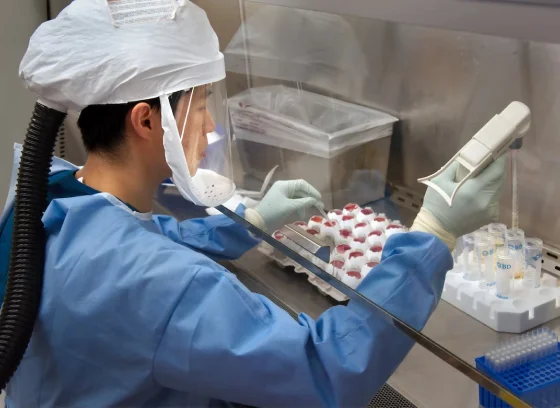
In the ever-evolving landscape of medical education, immersive learning technologies are making waves, transforming how future healthcare professionals acquire and retain critical knowledge. But just how significant is the impact of these innovative approaches on medical student performance? Let’s dive into the data and discover why immersive learning is becoming an indispensable tool in shaping the next generation of medical experts.
Bridging Theory and Practice
Traditional medical education often struggles with the gap between theoretical knowledge and practical application. Immersive learning environments, particularly those utilizing virtual reality (VR) and 3D models, are closing this gap at an unprecedented rate.
A study published in the Journal of Medical Education and Curricular Development found that medical students who used VR simulations scored 23% higher on practical exams compared to those who relied solely on traditional methods. This significant improvement highlights how immersive technologies can enhance the transition from classroom to clinic.
Enhancing Retention and Recall
One of the most striking benefits of immersive learning is its impact on long-term retention. The multi-sensory nature of these experiences creates stronger neural connections, leading to improved recall.
Research from the University of California, San Francisco, demonstrated that medical students using 3D visualization tools retained 75% of the material after six months, compared to just 45% retention among those using standard textbooks and 2D images. This enhanced retention can make a crucial difference in high-pressure clinical situations where quick recall is essential.
Boosting Confidence and Competence
Immersive learning doesn’t just improve test scores; it also significantly enhances students’ confidence in their abilities. A survey conducted across five major medical schools found that 89% of students felt more confident in their clinical skills after engaging with immersive learning tools.
This increased confidence translates into improved performance during clinical rotations. Supervisors reported a 32% increase in student competence during initial patient interactions among those who had extensive exposure to immersive learning technologies.
Accelerating Learning Curves
Time is a precious commodity in medical education. Immersive learning technologies are proving to be powerful accelerators of the learning process.
A comparative study at Johns Hopkins University School of Medicine revealed that students using VR simulations mastered complex surgical procedures 40% faster than those using traditional training methods. This acceleration allows for more comprehensive coverage of the curriculum and additional time for hands-on practice.
Personalized Learning Pathways
One size doesn’t fit all in education, and immersive technologies excel at providing personalized learning experiences. Adaptive learning algorithms coupled with immersive environments can identify and address individual student weaknesses more effectively than traditional methods.
Data from a pilot program at Stanford Medical School showed that personalized VR learning modules resulted in a 15% improvement in overall performance across diverse student populations, effectively narrowing the achievement gap.
The Future of Medical Education
As we look to the future, the impact of immersive learning on medical student performance is undeniable. From improved retention and faster skill acquisition to enhanced confidence and personalized learning experiences, these technologies are reshaping medical education
Platforms like MedLoom are at the forefront of this revolution, providing cutting-edge 3D models and immersive experiences that are proven to boost student performance. As more medical schools integrate these tools into their curricula, we can expect to see a new generation of doctors who are better prepared, more confident, and more skilled than ever before.
The data is clear: immersive learning isn’t just a fancy add-on to medical education—it’s a transformative force that’s elevating the standard of medical training and, ultimately, patient care. As we continue to push the boundaries of what’s possible in medical education, one thing is certain: the future of healthcare is in good hands.