The Benefits of Self-Paced Learning in Medical Education
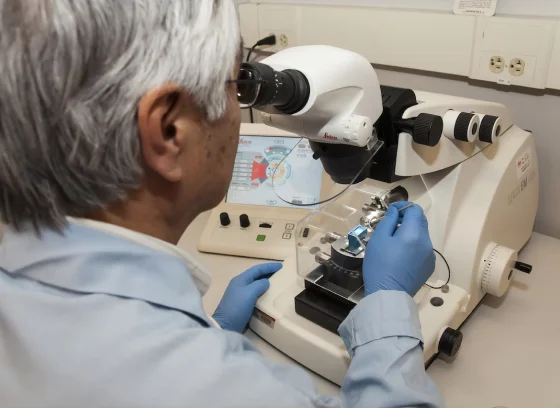
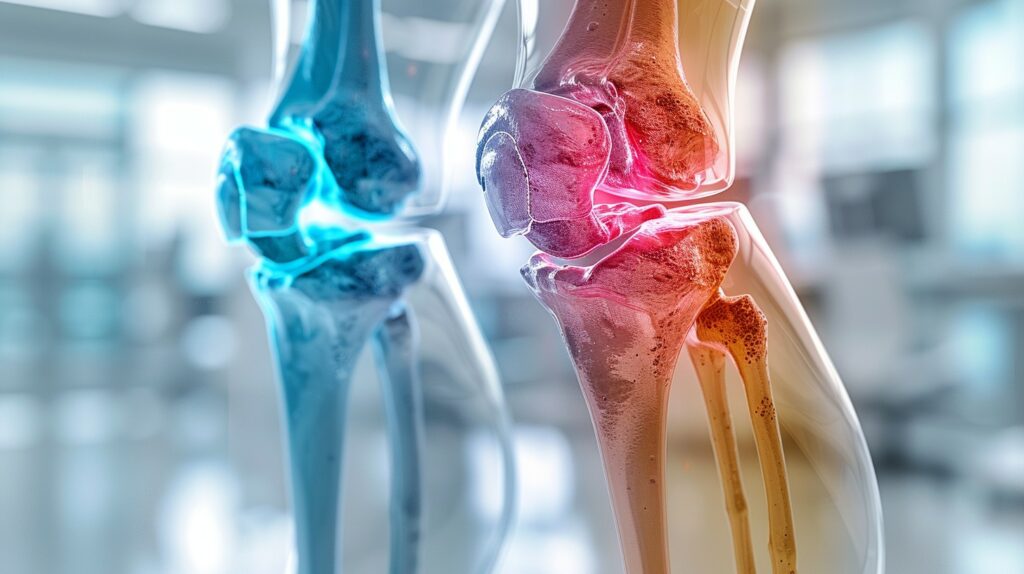
In the fast-paced world of medical education, where information is vast and time is precious, self-paced learning is emerging as a game-changer. This innovative approach is not just a trend; it’s a powerful tool reshaping how future healthcare professionals acquire and master complex medical knowledge. Let’s explore why self-paced learning is becoming an indispensable part of modern medical education.
Personalized Learning Journeys
Every medical student is unique, with different learning styles, strengths, and challenges. Self-paced learning recognizes this diversity, allowing students to tailor their educational experience to their individual needs. A study by the Association of American Medical Colleges found that students who engaged in self-paced learning reported a 28% increase in overall satisfaction with their educational experience.
This personalization means students can spend more time on challenging topics and breeze through familiar ones, optimizing their study time and boosting overall comprehension. It’s not about learning faster; it’s about learning smarter.
Reduced Stress, Improved Mental Health
The rigors of medical education are well-known, often leading to burnout and stress. Self-paced learning offers a breath of fresh air. By allowing students to control their learning schedule, it significantly reduces the pressure associated with keeping up with a rigid curriculum.
A survey conducted across multiple medical schools revealed that students engaged in self-paced programs reported 35% lower stress levels compared to their peers in traditional programs. This reduction in stress not only improves mental health but also enhances cognitive function, leading to better retention and understanding of complex medical concepts.
Enhanced Retention and Deep Learning
When students have the freedom to revisit challenging concepts and spend extra time on difficult topics, they’re more likely to achieve deep, lasting understanding. Research published in the Journal of Medical Education showed that medical students in self-paced programs demonstrated a 22% improvement in long-term retention of key medical concepts compared to those in traditional programs.
This improved retention is crucial in a field where accurate recall can make the difference between life and death. Self-paced learning allows future doctors to build a solid foundation of knowledge that will serve them throughout their careers.
Flexibility for Real-Life Balance
Medical education doesn’t exist in a vacuum. Students often juggle family responsibilities, part-time jobs, or research commitments alongside their studies. Self-paced learning provides the flexibility to balance these competing demands without compromising educational quality.
A longitudinal study found that medical students in flexible, self-paced programs were 40% more likely to engage in extracurricular research or clinical volunteer work, enhancing their overall medical education experience and career prospects.
Preparation for Lifelong Learning
In the rapidly evolving field of medicine, the ability to engage in continuous, self-directed learning is paramount. Self-paced education instills this crucial skill early, preparing students for a career of ongoing education and adaptation.
Data from residency programs indicate that graduates from self-paced medical curricula show a 25% higher engagement rate in continuing medical education during their early career years, demonstrating a stronger commitment to lifelong learning.
Leveraging Technology for Better Outcomes
Platforms like MedLoom are at the forefront of this educational revolution, offering sophisticated 3D models and interactive content that students can explore at their own pace. This technology-enhanced, self-directed learning leads to better outcomes. A recent study showed that medical students using such platforms scored 18% higher on practical exams compared to those using traditional resources.
The Future of Medical Education
As we look to the future, the benefits of self-paced learning in medical education are clear. From improved retention and reduced stress to enhanced preparation for lifelong learning, this approach is equipping the next generation of healthcare professionals with the tools they need to thrive in a complex and ever-changing field.
By embracing self-paced learning, medical educators aren’t just changing how students learn; they’re revolutionising the very foundation of medical education. As this approach continues to evolve and integrate with cutting-edge technology, we can expect to see a new breed of doctors: more adaptable, more confident, and better prepared to face the challenges of modern healthcare.